
How to Choose the Right HVAC System for Your Home

When planning HVAC installation in Vista, CA, choosing the right system can feel overwhelming. Options vary. Sizes differ. Efficiency ratings can confuse anyone. Still, the right system makes a huge difference in comfort, energy costs, and long-term performance.
I always tell homeowners this: the best HVAC system isn’t the most expensive one, it’s the one that fits your home, lifestyle, and climate. Vista’s warm weather and seasonal shifts make this decision even more important.

Understanding Your HVAC Options
Central Air Conditioning Systems
This is the most common choice for larger homes. It uses ductwork to distribute cool air evenly. Great for consistent comfort across multiple rooms.
If your home already has ducts, installation is usually straightforward. If not, adding ductwork can increase costs. Still, central systems offer strong cooling power and good resale value.
Ductless Mini-Split Systems
Perfect for homes without existing ducts. Also great for room additions or zones that need separate temperature control.
Mini-splits are energy-efficient and flexible. You can control the temperatures room by room. That means lower energy bills if used correctly.
Heat Pumps
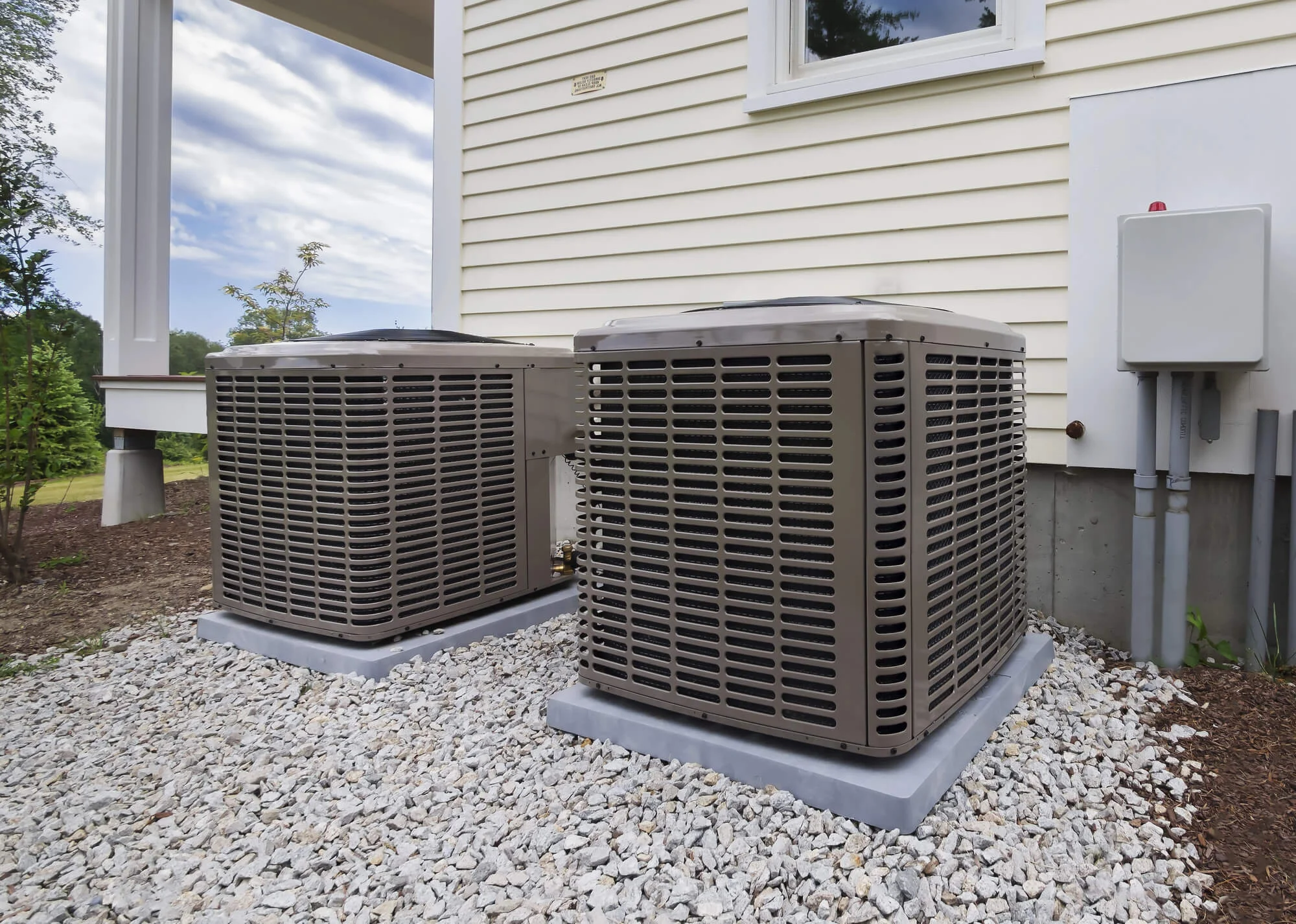
A strong option for Vista’s climate. Heat pumps both cool and heat your home. No separate furnace needed.
They work best in mild climates, which makes them ideal here. Energy efficiency tends to be higher compared to traditional systems.
Packaged HVAC Systems
All components sit in one outdoor unit. Common in homes with limited indoor space.
These systems are compact and easier to maintain. Still, they may not be as efficient as split systems in some cases.
Factors That Matter Most When Choosing
Home Size and Layout
Bigger isn’t always better. A system too large will cycle on and off quickly. That wastes energy and causes uneven temperatures.
A system too small struggles to keep up. Runs constantly. Increases wear and tear.
Proper sizing requires a load calculation. A professional will evaluate square footage, insulation, windows, and layout.
Energy Efficiency Ratings
Look for SEER ratings (Seasonal Energy Efficiency Ratio). Higher SEER means better efficiency.
In California, efficiency matters. Energy costs add up fast. Investing in a higher SEER system often saves money long-term.
Still, balance upfront cost with expected savings. Not every home needs the highest rating available.
Ductwork Condition
If your home has ducts, their condition matters. Leaks reduce efficiency. Poor design affects airflow.
Sometimes replacing or sealing ducts improves performance more than upgrading the system itself.
If ducts are outdated, consider ductless options instead.
Indoor Air Quality Needs
Air quality plays a bigger role than most people think. Allergies. Dust. Humidity.
Modern HVAC systems can include filters, dehumidifiers, and air purifiers.
If anyone in your home has respiratory issues, this becomes a priority.
Budget and Long-Term Value
Initial cost matters. So does maintenance and energy usage over time.
A cheaper system may cost more in repairs and energy bills. A higher-quality system often pays off over years.
Think long-term. Not just installation day.
Choosing the Right Features
Smart Thermostats
Smart controls improve comfort and efficiency. You can adjust temperatures remotely. Set schedules. Track energy usage.
Small upgrade. Big impact.
Zoning Systems
Zoning divides your home into areas with separate temperature control.
Great for families with different preferences. Also reduces energy waste in unused rooms.
Variable-Speed Technology
Unlike single-speed systems, variable-speed units adjust output based on demand.
This means quieter operation. More consistent temperatures. Better efficiency.
Common Mistakes to Avoid
Choosing Based on Price Alone
The lowest price often leads to higher long-term costs. Poor efficiency. More repairs. Shorter lifespan.
Focus on value, not just price.
Ignoring Professional Guidance
Online research helps. Still, every home is different.
A licensed HVAC professional will assess your home properly. Recommend the right size and type.
Skipping this step can lead to expensive mistakes.
Overlooking Maintenance Needs
Every system needs maintenance. Filters. Inspections. Cleaning.
Choose a system you can maintain consistently. Neglect reduces efficiency and lifespan.
Not Considering Future Needs
Think ahead. Are you planning renovations? Adding rooms?
Choose a system that can adapt or expand if needed.
Why Climate Matters in Vista
Vista’s climate plays a major role in HVAC decisions. Warm summers. Mild winters.
Cooling performance matters most. Still, heating is needed during cooler months.
Heat pumps often work well here. They handle both needs efficiently.
Humidity control also matters. Even in warmer climates, moisture can affect comfort.
Choosing the right system ensures year-round comfort without overworking your unit.
Working with the Right HVAC Professional
Choosing the system is only half the job. Installation quality matters just as much.
A poorly installed system won’t perform well even if it’s top-of-the-line.
Look for:
- Licensed and insured contractors
- Experience with local homes
- Clear estimates and recommendations
- Good customer reviews
A professional will guide you through every step. From system selection to final testing.
Making the Final Decision
Take your time. Ask questions. Compare options.
Focus on:
- Proper sizing
- Energy efficiency
- Comfort features
- Long-term cost
The right HVAC system should feel like an upgrade to your lifestyle, not a constant concern.
HVAC Installation in Vista, CA: Make the Right Choice
Choosing the right system for HVAC installation in Vista, CA, sets the foundation for years of comfort. The right system runs efficiently. Keeps your home comfortable. Reduces stress and energy bills.
If you’re ready to move forward, don’t guess your way through the process. Work with professionals who understand your needs and your local climate. Contact 1-800-anytime today to schedule your consultation. Get expert guidance, reliable service, and a system that truly fits your home.

FAQ
How do I know what size HVAC system I need?
A professional performs a load calculation. This considers your home’s size, insulation, windows, and layout. Avoid guessing. Proper sizing ensures efficiency and comfort.
Is a heat pump a good option in Vista, CA?
Yes. Heat pumps work well in mild climates like Vista. They provide both heating and cooling efficiently, making them a popular choice for many homeowners.
How long does HVAC installation take?
Most installations take one to three days. The timeline depends on system type, home size, and whether ductwork is involved.
What is the lifespan of a new HVAC system?
Most systems last 10 to 15 years with proper maintenance. Regular servicing can extend the lifespan and maintain efficiency.