
What Are the Most Common Signs Your Water Heater Needs Repair?

Hot water is one of those home comforts you may not think about until something goes wrong. A reliable water heater keeps showers comfortable, dishes clean, and everyday household routines running smoothly. When the system begins struggling, small changes can be easy to overlook. Water may take longer to heat up, strange noises might come from the tank, or your hot water supply may run out faster than usual.
Recognizing these warning signs can help you address a problem before you are left without hot water or dealing with unexpected water damage. If you are searching for water heater repair in Vista, CA, knowing what to watch for can help you determine when your system needs professional attention.
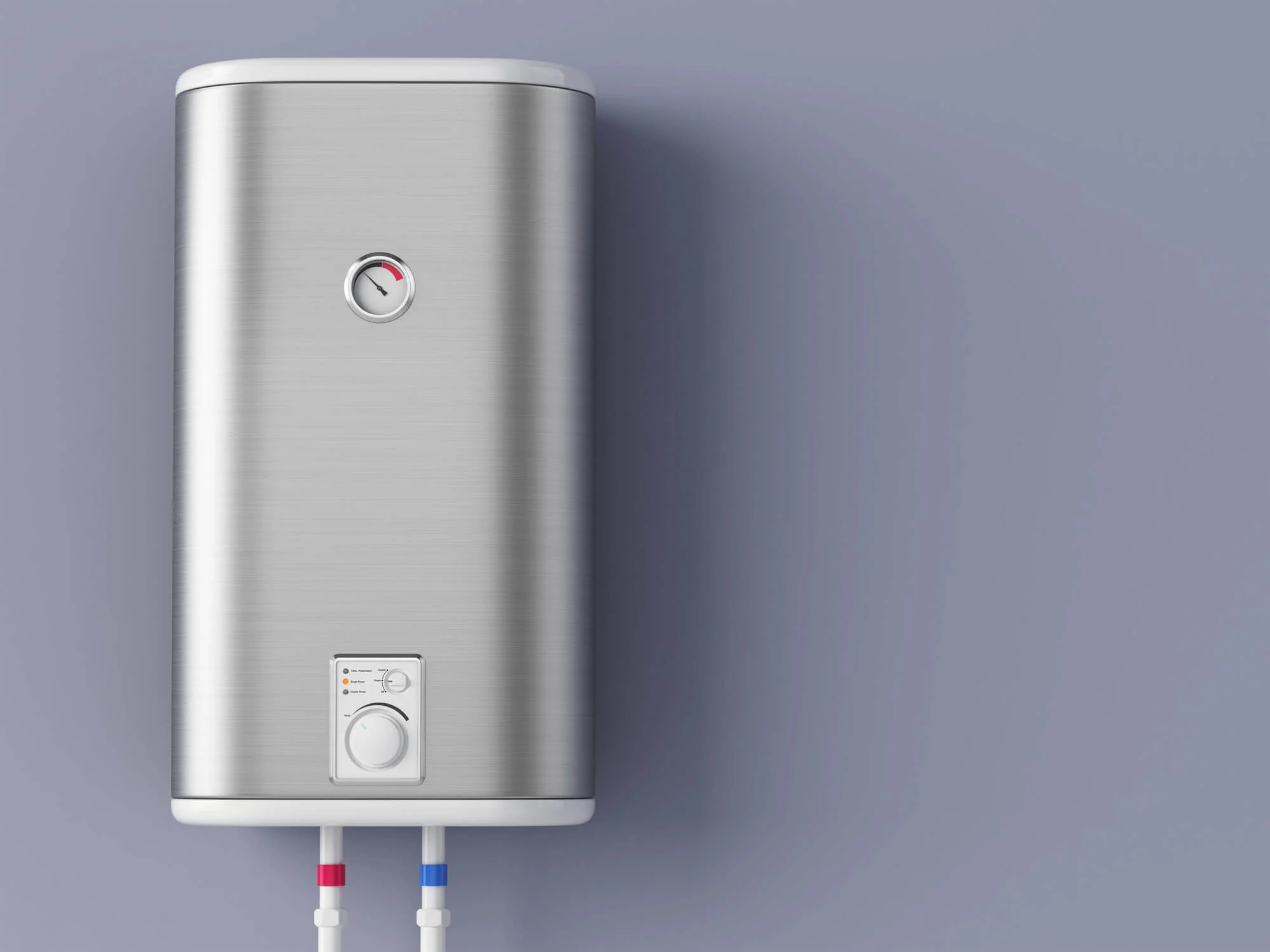
Warning Signs Your Water Heater May Need Professional Attention
Water heaters can experience problems for many reasons, including normal wear, mineral buildup, damaged components, and age. Some issues develop gradually, while others seem to appear overnight. Paying attention to changes in how your water heater sounds, looks, and performs can help you catch problems early.
Your Water Is Not Getting Hot Enough
One of the most noticeable signs of a water heater problem is water that never gets as hot as it used to. You may turn the shower handle farther toward hot or notice that warm water quickly becomes lukewarm.
Several issues can cause inconsistent heating. An electric water heater may have a damaged heating element, while a gas unit could have burner or ignition trouble. A thermostat problem may also prevent the system from maintaining the correct temperature.
A professional inspection can identify the cause instead of relying on guesswork.
Hot Water Runs Out Faster Than Before
Your water heater should provide a reasonably consistent amount of hot water based on the size of its tank and your household's typical usage. If you once had enough hot water for several showers but now run out halfway through the morning routine, something may have changed.
Sediment accumulation can reduce the amount of usable space inside a traditional tank. Heating elements can also become less effective with age.
The Water Heater Makes Strange Noises
Water heaters are not completely silent, but loud popping, banging, cracking, or rumbling sounds warrant investigation. These noises are commonly associated with sediment collecting at the bottom of a tank.
As water becomes trapped beneath mineral deposits and heats up, it can create popping or rumbling sounds. Heavy sediment can also make the water heater work harder to heat the water.
You Notice Water Around the Heater
A puddle near your water heater should never be dismissed. Even a small amount of moisture can signal a developing leak.
The source could be a loose plumbing connection, a faulty valve, or another repairable component. Water coming directly from the tank may point to corrosion or damage that requires more serious attention.
Leaks can damage flooring, drywall, and nearby belongings when they are allowed to continue.
Your Hot Water Has an Unusual Smell
Hot water should not suddenly develop an unpleasant odor. A noticeable smell may be related to bacteria, water chemistry, or conditions inside the tank.
The right solution depends on the source of the odor. Rather than masking the problem, a water heater professional can inspect the system and determine what needs attention.
Your Energy Bills Are Increasing
A sudden increase in utility costs can have several causes, and your water heater may be one of them. A unit that has become less efficient may use more energy to produce the same amount of hot water.
Sediment, worn heating components, thermostat issues, or an aging system can contribute to poor efficiency. If your energy use has increased alongside changes in water heater performance, an inspection can help determine whether the two issues are connected.
The Water Temperature Changes Unexpectedly
Water that switches between hot, lukewarm, and cold can make showers frustrating. Inconsistent temperatures may indicate thermostat problems, a heating element failure, sediment buildup, or another internal issue.
Temperature fluctuations can also create a safety concern if the water unexpectedly becomes too hot.
Your Water Heater Is Getting Older
An older water heater does not automatically need replacement. Age becomes more important when it is combined with leaks, corrosion, unusual noises, inconsistent temperatures, or frequent repairs.
Keeping track of your unit's age can help you plan ahead instead of waiting for a complete breakdown. If the heater is approaching the end of its expected service life, a professional can explain whether another repair makes sense or whether replacement could offer better reliability.
Repairs Are Becoming More Frequent
One repair does not necessarily mean your water heater is failing. Repeated problems within a short period tell a different story.
If you regularly need service for heating issues, leaks, unusual noises, or worn components, the cost of continuing repairs can add up. Comparing repair costs with the price and benefits of a newer system can help you make a practical decision for your home.
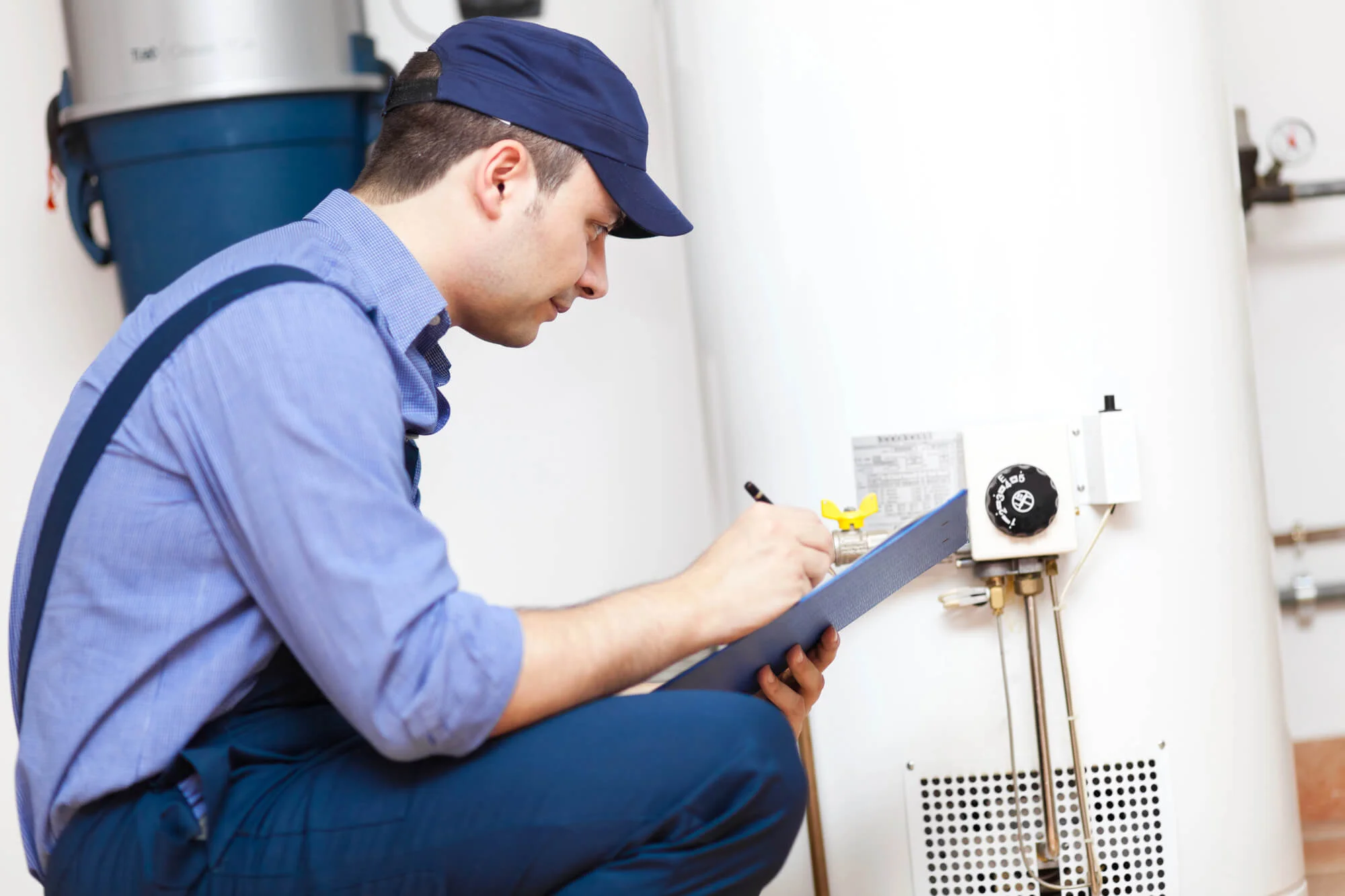
Understanding Water Heater Problems Before They Get Worse
Homeowners often have questions when their water heater starts behaving differently. Knowing what certain symptoms may mean can help you make informed decisions about maintenance, repairs, and replacement.
Why Does My Water Heater Make Popping or Rumbling Sounds?
Popping and rumbling noises often occur when minerals and sediment have accumulated inside the tank. Water can become trapped beneath the buildup and make noise as it heats up. Flushing may help in some situations. Heavy buildup or recurring noises should be professionally evaluated to determine whether maintenance or repair is needed.
Is a Small Water Heater Leak Really a Problem?
Yes. A small leak can grow and potentially cause water damage. The good news is that not every leak means you need a new water heater. A technician may find a loose connection, valve problem, or another repairable issue. If the tank itself is leaking because of corrosion, replacement may be the safer long-term solution.
Why Is My Hot Water Rusty or Discolored?
Discolored hot water may indicate corrosion somewhere within the water heater or plumbing system. A deteriorating anode rod can sometimes contribute to the problem in tank-style water heaters. If discoloration appears only when using hot water, having the water heater inspected can help identify the source.
How Long Does a Traditional Water Heater Last?
Many traditional tank water heaters provide roughly 8 to 12 years of service, though actual lifespan varies. Water quality, installation, usage, maintenance, and system design all play a role. Age alone does not mean your unit must be replaced immediately. Frequent repairs combined with declining performance may indicate that replacement is becoming more practical.
Can I Repair My Water Heater Myself?
Homeowners can perform basic checks, such as confirming thermostat settings or looking for obvious signs of leakage. More involved repairs can present safety risks because water heaters may involve electricity, gas, pressure, and extremely hot water. Professional diagnosis is recommended when the problem involves internal components, leaks, gas connections, or electrical systems.
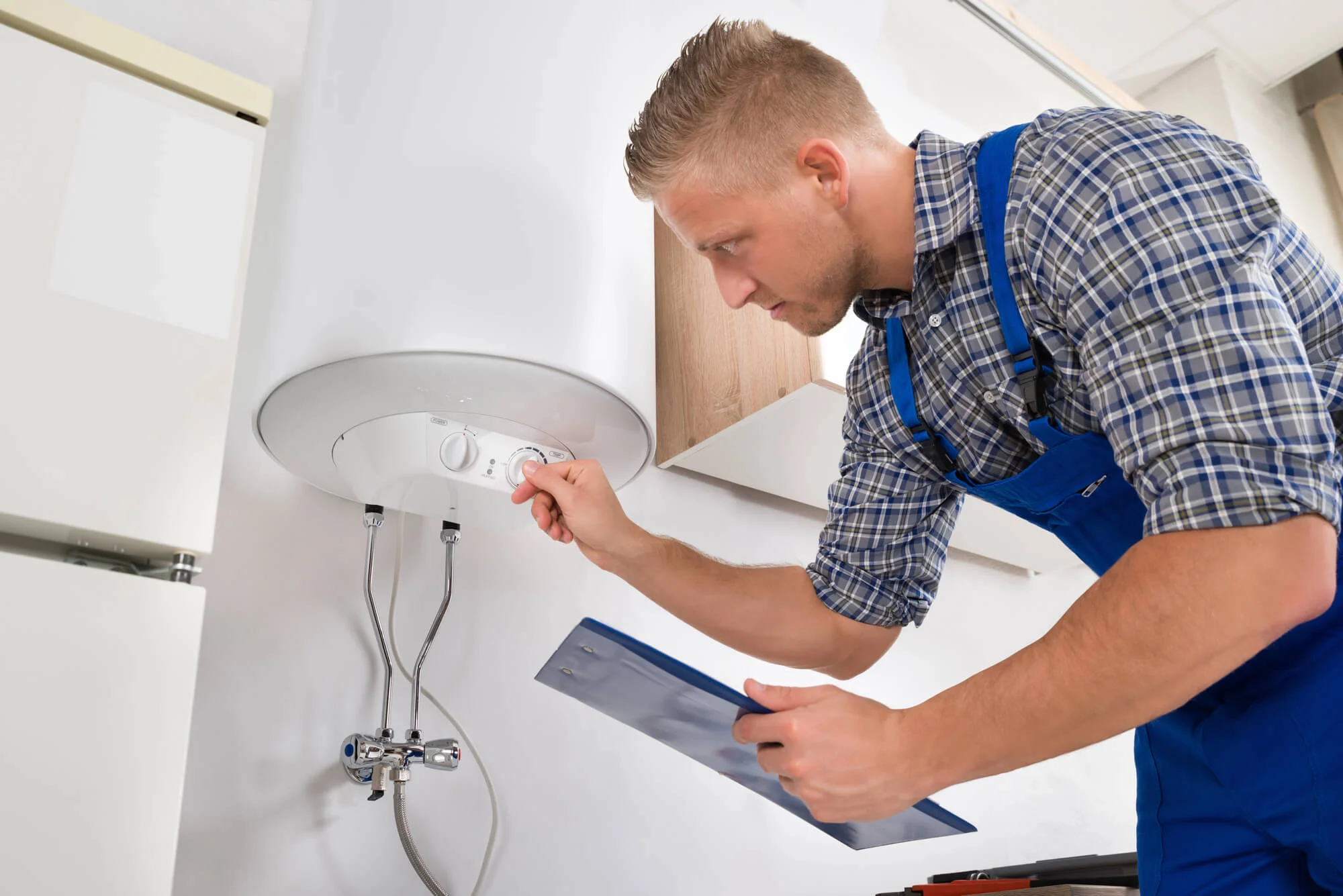
Get Dependable Water Heater Repair in Vista, CA
Your water heater plays an important role in keeping your home comfortable. Paying attention to unusual noises, leaks, inconsistent temperatures, rising energy costs, and changes in hot water availability can help you catch problems before they become more disruptive.
If you have noticed warning signs and need water heater repair in Vista, CA, contact 1-800-Anytyme today. Our team can inspect your water heater, identify the source of the problem, and explain your options so you can make the right choice for your home. Schedule your service and get back to enjoying dependable hot water.