
Why Does My Drain Keep Clogging? Common Causes and Solutions
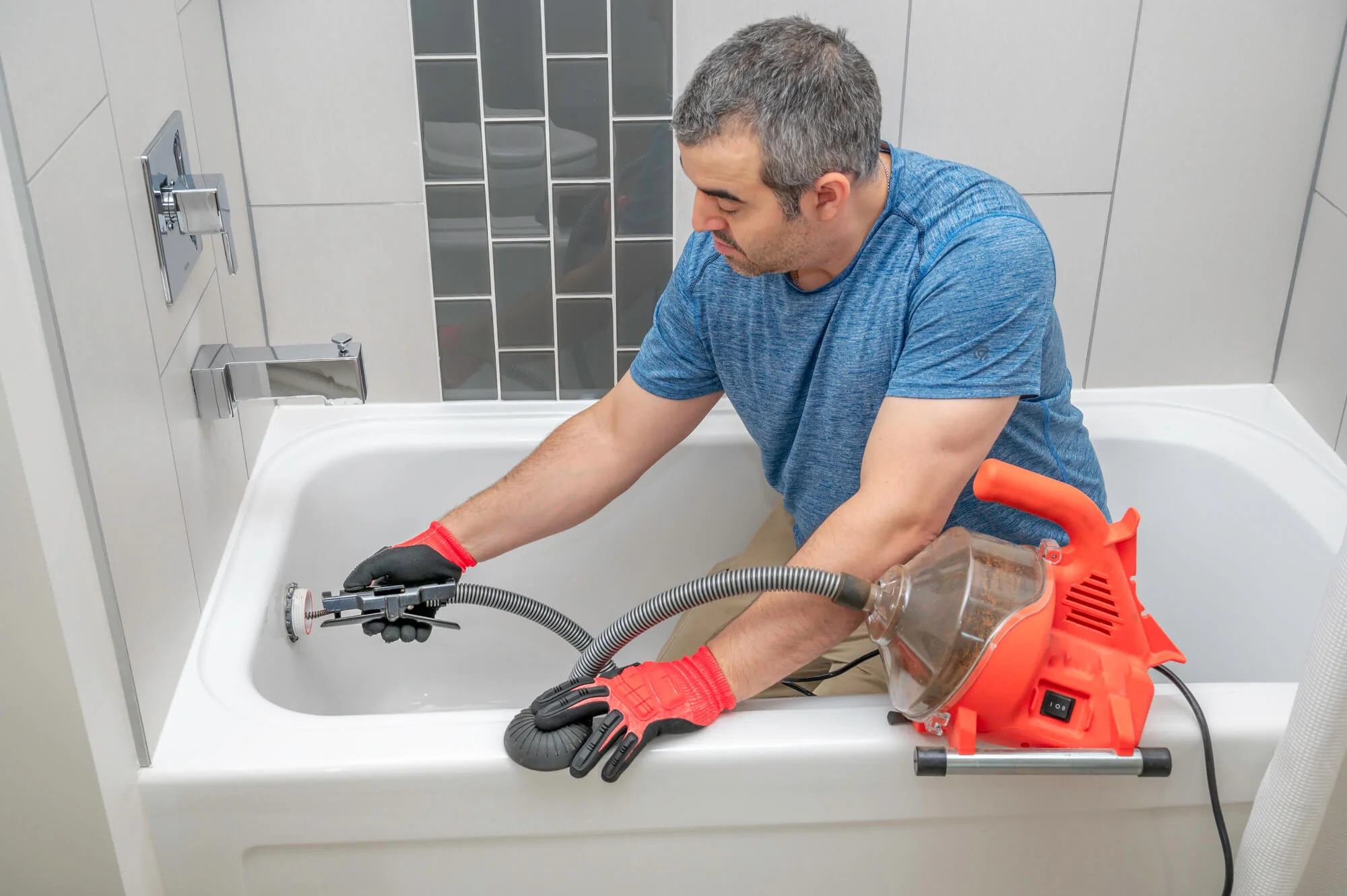
A clogged drain is one of those household problems that always seems to happen at the worst time. Whether it's a slow kitchen sink, a backed-up shower, or a bathroom drain that refuses to empty, recurring clogs can quickly become frustrating. While an occasional blockage is normal, drains that clog repeatedly often point to a deeper issue that shouldn't be ignored.
If you're searching for drain cleaning in San Diego, understanding what causes these problems is the first step toward preventing them. A few simple habits can keep your plumbing flowing smoothly, while knowing when to call a professional can save you from expensive repairs later.

Understanding Why Drains Keep Clogging
Everyday Buildup Adds Up Over Time
Most drain clogs don't happen overnight. Small amounts of debris collect inside your pipes every day. Soap residue, grease, food scraps, hair, toothpaste, and other materials gradually stick to the pipe walls. As the buildup grows, water has less room to flow.
The result often starts as a slow drain before turning into a complete blockage. Routine maintenance helps remove this buildup before it becomes a serious problem.
Grease Is One of the Biggest Kitchen Culprits
Many homeowners think pouring hot grease down the sink is harmless because it's liquid. Unfortunately, grease cools quickly once it enters your plumbing. It hardens along the inside of the pipes and traps food particles as they pass through.
Instead of pouring grease into the sink, allow it to cool and dispose of it in the trash. Even small amounts can contribute to stubborn clogs over time.
Hair Creates Tough Bathroom Blockages
Hair is one of the leading causes of bathroom drain problems. Once it enters the drain, it combines with soap scum and forms thick clumps that trap additional debris.
Installing inexpensive drain strainers in showers and sinks can catch much of the hair before it reaches your plumbing.
Soap Residue Slowly Narrows Pipes
Traditional bar soaps contain fats that leave behind mineral deposits inside plumbing systems. These deposits become sticky surfaces where dirt and hair collect.
Switching to liquid soap or scheduling periodic drain maintenance may reduce long-term buildup.
Flushing the Wrong Items
Many products labeled as "flushable" don't break down as easily as toilet paper. Baby wipes, paper towels, cotton swabs, feminine hygiene products, and dental floss can all create serious blockages.
Toilets should only be used for human waste and toilet paper. Following this simple rule helps prevent unnecessary plumbing issues.
Tree Roots Can Invade Sewer Lines
Outdoor plumbing problems are often caused by tree roots searching for moisture. Tiny cracks in underground sewer pipes allow roots to enter, where they continue growing until they restrict water flow.
Signs of root intrusion include multiple slow drains, frequent backups, unpleasant odors, or gurgling noises coming from toilets and sinks.
Professional camera inspections help identify root problems before they become major repairs.
Mineral Deposits Can Restrict Water Flow
Homes with hard water often experience mineral buildup inside their plumbing. Calcium and magnesium deposits gradually reduce the pipe's diameter, making it easier for debris to become trapped.
Water softeners may reduce future buildup, while professional cleaning helps restore normal flow.
Older Pipes May Be the Real Issue
Older homes sometimes have aging pipes that are corroded, cracked, or partially collapsed. Even if you remove the clog, the damaged plumbing continues to catch debris.
A plumbing inspection can determine whether repairs or pipe replacement would provide a long-term solution.

DIY Methods Have Their Limits
Many homeowners reach for chemical drain cleaners as a quick fix. While these products may temporarily dissolve small clogs, frequent use can damage certain types of pipes. They also rarely solve the underlying problem.
Simple tools like plungers or drain snakes work well for minor blockages. Larger or recurring clogs usually require professional equipment designed to clean the entire pipe instead of creating a small opening through the blockage.
Preventive Maintenance Saves Time and Money
The best way to avoid recurring drain problems is to prevent buildup before it starts.
Helpful maintenance habits include:
- Use drain strainers in sinks and showers.
- Never pour grease or cooking oil into drains.
- Scrape food into the trash before washing dishes.
- Flush only toilet paper.
- Run hot water after using the kitchen sink.
- Schedule routine plumbing inspections if your home has older pipes.
These small habits can significantly reduce the risk of unexpected plumbing emergencies.
Know When It's Time to Call a Professional
Some warning signs indicate it's time for expert help instead of another DIY attempt.
Call a professional if you notice:
- Multiple drains clogging at the same time.
- Water backing up into sinks or tubs.
- Slow drains throughout the house.
- Foul odors coming from drains.
- Gurgling sounds after using water.
- Frequent clogs despite repeated cleaning.
Professional plumbers use specialized equipment, such as drain cameras and hydro jetting systems, to identify and remove the true source of the blockage. This approach provides a more complete solution than temporary fixes.
Frequently Asked Questions About Preventing Drain Problems
Can baking soda and vinegar keep drains clean?
This combination may help reduce minor odors and light buildup. However, it won't remove heavy grease, tree roots, or large blockages. Persistent clogs usually require professional equipment.
Why do my drains keep clogging even after I clear them?
If the same drain clogs repeatedly, the blockage may not have been completely removed. There could also be pipe damage, tree root intrusion, or buildup deeper within the plumbing system.
How often should drains be professionally cleaned?
Many homes benefit from professional drain cleaning every one to two years. Homes with older plumbing, large families, or frequent cooking may require more frequent service.

Protect Your Home With Professional Drain Cleaning in San Diego
Recurring drain clogs are more than an inconvenience. They often signal a larger issue developing inside your plumbing system. Addressing the problem early helps prevent water damage, unpleasant odors, and expensive repairs.
Whether the cause is grease buildup, hair, mineral deposits, tree roots, or aging pipes, professional drain cleaning in San Diego can restore proper flow and keep your plumbing working efficiently. Regular maintenance also helps extend the life of your pipes and reduces the risk of future emergencies.
If your drains continue clogging or you're noticing signs of a larger plumbing issue, don't wait for the problem to worsen. Contact 1-800 Anytyme today for professional drain cleaning and reliable plumbing solutions that help keep your home running smoothly.